

Compliance That Fits NetSuite Users
The Path to a Successful NetSuite Deployment
- Business Requirements Assessment: Review finance, sales, procurement, inventory, customer management, reporting, and other processes to define NetSuite requirements.
- Solution Scope Planning: Select relevant NetSuite capabilities, workflows, roles, configurations, integrations, and data requirements.
- Configuration and Data Setup: Configure the NetSuite environment and prepare business data for migration, validation, and testing.
- Integration and User Testing: Validate workflows, integrations, permissions, records, and reporting while resolving identified implementation issues.
- Deployment and User Enablement: Prepare users, finalize production settings, support deployment, and provide guidance for effective NetSuite adoption.
Connect NetSuite with Your Existing Business Environment
NetSuite can integrate with other business applications, connecting selected data, workflows, and processes across systems through defined integration methods aligned with technical and operational requirements.
- Connect Business Data Across Supported Applications
- Coordinate Processes Between NetSuite And Systems
- Synchronize Selected Records Across Connected Platforms
- Integrate Existing Applications With NetSuite Workflows
Financial and Operational Value from NetSuite
- Financial Process Control: NetSuite supports structured accounting and financial activities within an ERP environment for transaction management.
- Connected Business Transactions: Finance, sales, purchasing, inventory, and other applicable records can be managed through related NetSuite processes.
- Multiple Entity Management: NetSuite can support subsidiaries, entities, currencies, and financial structures within one ERP environment.
- Business Information Access: Configured reports, dashboards, and records provide authorized users with information for financial and operational review.
- Adaptable ERP Configuration: NetSuite can be configured according to changing business processes, application requirements, and organizational structures.
- Workflow Process Support: Configurable workflows, approvals, and automated tasks can support recurring business activities across defined operational processes.
Oracle NetSuite Services in Israel
Environment Modernization
Update NetSuite configurations and refine business processes around changing operational requirements.
Integration Engineering
Connect NetSuite with selected business applications through planned data exchange and integration methods.
Operational Support
Support system updates, issue resolution, workflow changes, and ongoing NetSuite platform requirements.
NetSuite Applications for Companies Operating in Israel
Organizations in Israel can use NetSuite to manage financial, operational, commercial, customer, and business processes across multiple structures, markets, and activities through a connected cloud ERP environment.
- Manage Core Finance And Accounting Processes
- Support Multi-Entity Business Operations Across Markets
- Coordinate Distribution, Inventory, And Fulfilment Activities
- Manage Professional Services And Commerce Workflows
Compliance Within NetSuite Business Workflows
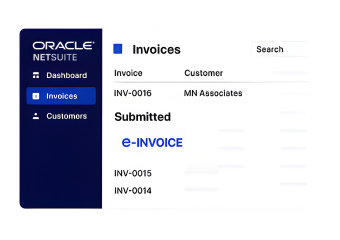
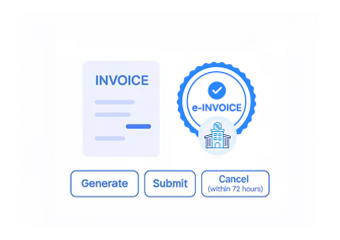
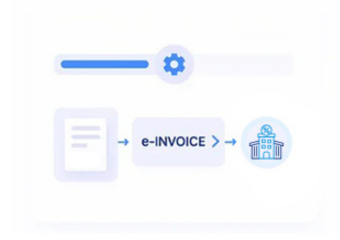
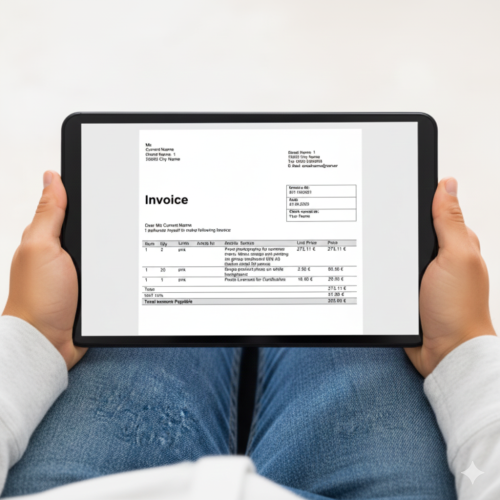
Structure Israel e-invoicing validation, submission, and compliance workflows within NetSuite.
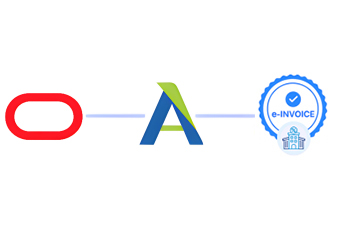
Integrated with NetSuite. Processed through Advintek in Israel.
Ready e-Invoice System
Frequently Asked Questions NetSuite E-Invoicing Israel
What Is Oracle NetSuite Used For In Israel?
Oracle NetSuite is a cloud ERP platform used to manage financial, operational, customer, sales, inventory, procurement, and reporting activities. Israeli organizations can configure relevant NetSuite capabilities around their business structure, processes, subsidiaries, users, integrations, and applicable localization requirements.
Does NetSuite Support Israel Localization And Invoicing?
Yes, NetSuite offers Israel-specific localization capabilities that can support Israeli invoicing, tax codes, invoice processing, VAT reporting, withholding tax reporting, and selected financial processes. The applicable features and configuration depend on the organization’s NetSuite account, enabled functionality, business requirements, and implementation scope.
How Much Does NetSuite Implementation Cost In Israel?
NetSuite implementation costs in Israel vary based on business size, users, subsidiaries, modules, integrations, data migration, customization, reporting requirements, and project complexity. Organizations typically assess their processes and technical requirements first to establish the appropriate implementation scope and related project costs.
How Long Does NetSuite Implementation Take?
NetSuite implementation timelines depend on factors such as business complexity, number of entities, modules, integrations, data volume, customization, testing, and user requirements. A typical implementation approach may include discovery, solution planning, configuration, data preparation, testing, deployment, and user enablement before production use.
Can NetSuite Integrate With Other Business Systems?
Yes, NetSuite can integrate with selected external business applications through available integration technologies and configured interfaces. Integration projects can connect relevant records, data, and workflows while considering existing applications, technical requirements, security considerations, data structures, and the organization’s operational processes.